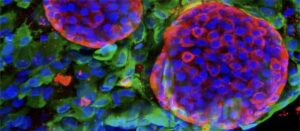
A protective gel for a future without insulin injections
Researchers from the University of Geneva (UNIGE) and Geneva University Hospitals (HUG) have reached a significant advance in the fight against type 1 diabetes.

Researchers from the University of Geneva (UNIGE) and Geneva University Hospitals (HUG) have reached a significant advance in the fight against type 1 diabetes.
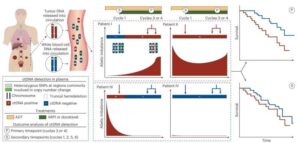
A new blood test could help doctors identify whether a treatment for advanced prostate cancer is failing weeks earlier than current tests, according to a U.K.-wide study led by UCL researchers.

“These results provide encouraging evidence that targeting neuromuscular dysfunction can translate into meaningful clinical outcomes, aligning with our evolving understanding of the disease biology,” said first author Patrick John Strollo, MD, a sleep medicine physician at the University of Pittsburgh Medical Center.
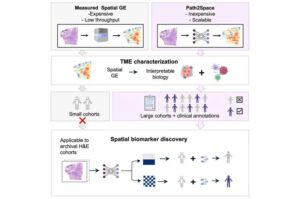
A team led by Cedars-Sinai Health Sciences University investigators has created a faster, cheaper way to determine the genes expressed in cancerous tumors. The AI-based tool, which they describe in the journal Cell, could make personalized cancer treatment available to more patients.
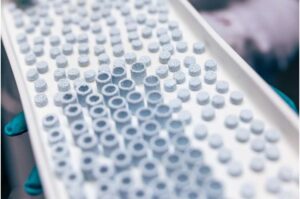
Researchers at Tampere University, Finland, have developed a groundbreaking 3D-printed ceramic implant material that closely mimics real human bone.
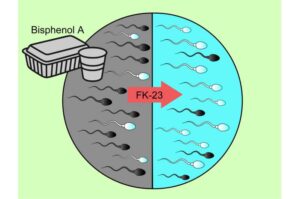
A research team led by Visiting Professor Yukiko Minamiyama of the Graduate School of Medicine at OMU investigated whether a paraprobiotic material derived from the lactic acid bacterium Enterococcus faecalis (known as FK‑23) protects against the sperm toxicity caused by BPA.
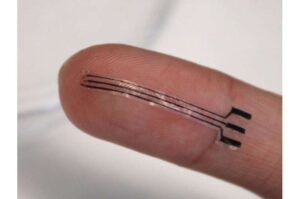
According to researchers at Penn State, tiny devices that gently shock one of the body’s most critical arteries could offer effective treatment.
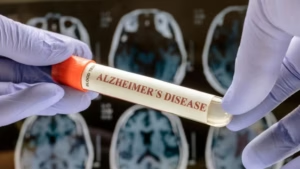
Ideating on Glooko’s existing EndoTool system, the cloud-based version is designed to support more scalable deployment across hospital settings.
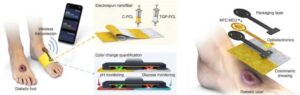
A research team has developed a wireless, battery-free optoelectronic multi-modal sensor patch for diabetic ulcer management. It can monitor wound conditions in real time.
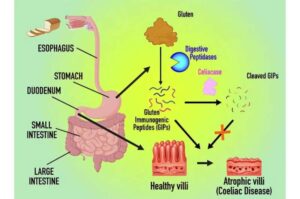
A research project led by the Institute for Research in Nutrition and Food Safety (INSA) and the Faculty of Pharmacy and Food Sciences at the University of Barcelona, together with the Molecular Biology Institute of Barcelona (IBMB) of the CSIC (which stands for Consejo Superior de Investigaciones Científicas), has successfully designed and tested a gluten-degrading molecule that is a promising ally in the management of celiac disease, an autoimmune