

PulseAI Receives U.S. FDA 510(k) Clearance of AI-Powered Arrhythmia Analysis Model for Wearables
BELFAST, Northern Ireland, Nov. 5, 2026 /PRNewswire/ –PulseAI, a medical technology company developing artificial intelligence for cardiac diagnostics, today announced U.S. Food and Drug Administration (FDA) 510(k) clearance for its AI-powered arrhythmia analysis model for wearables.
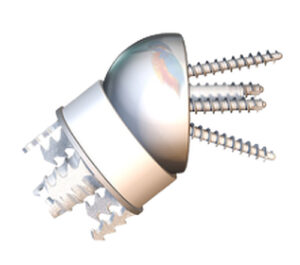
FX Shoulder Solutions Makes History with FDA Clearance of Easytech Reversed®, the First-and-Only Stemless Reverse Shoulder System in the United States
ADDISON, Texas, Nov. 5, 2026 /PRNewswire/ — FX Shoulder Solutions, Inc. (FX), a global innovator dedicated exclusively to shoulder arthroplasty, announces a historic and revolutionary breakthrough in shoulder replacement technology with the FDA 510(k) clearance of Easytech Reversed® — the first-and-only FDA-cleared stemless reverse shoulder arthroplasty system in the United States and a game-changer in how surgeons can care for their patients.

Engineered protein that cuts Alzheimer’s-linked brain deposits opens potential therapeutic avenue
A KAIST-led research team has found that a protein involved in gene regulation can suppress the harmful aggregation of amyloid-beta, a peptide associated with Alzheimer’s disease. The approach also reduced the toxicity of protein aggregates that had already formed.

Advanced imaging uncovers genomic Achilles’ heel that makes cancer cells vulnerable
A small subset of vulnerable DNA sites can make cancer cells highly sensitive to targeted drugs called PARP inhibitors, a new study shows.
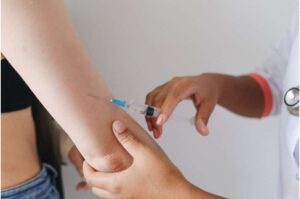
Personalized vaccine targets melanoma recurrence
A personalized cancer vaccine could help prevent melanoma from returning after surgery. Sutter investigators Dr. Kevin Kim, oncologist and chief of precision medicine at Sutter Health, and Dr. Mohammed Kashani-Sabet, medical director of Sutter CPMC’s Cancer Center, led Sutter’s participation in the phase 2 KEYNOTE-942 study that helped make possible this advance.
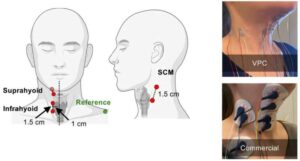
Putty-like electrode could improve vocal rehabilitation
A team of McGill University researchers has developed a putty-like electrode that molds to the skin to improve treatment and monitoring of voice disorders and upper airway diseases.
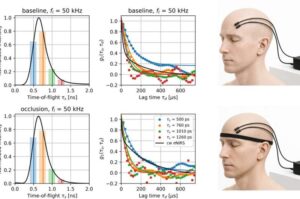
Hybrid light method reveals how camera signals can probe blood flow in deeper tissues
How can we efficiently collect light returning from tissues while also identifying what it tells us about blood flow in the deeper tissues?
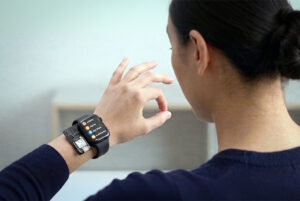
Smartwatch tech from Northwestern’s SPICE Lab could help control prosthetic hands
Researchers led by Karan Ahuja built systems that recognize gestures and personalized activities, and the team is scaling up its work with Google partners