
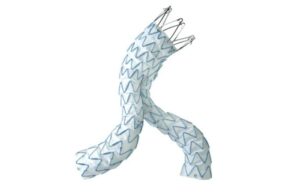
Medtronic says Endurant stent graft’s new CE mark could boost use for ruptured AAA
Medtronic (NYSE: MDT) has secured a CE mark for its Endurant stent graft, removing a treatment warning related to its use in ruptured abdominal aortic aneurysms (AAA).
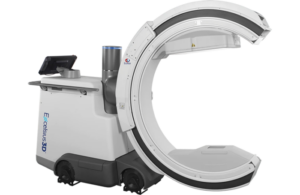
Globus Medical wins CE mark for Excelsius3D imaging system
Globus Medical (NYSE: GMED) has secured a CE mark for its Excelsius3D intelligent 3-in-1 imaging system for spine and cranial procedures.

Micro-bladder model offers clues to stopping recurrent UTIs
A lab-grown micro bladder may explain why urinary tract infections (UTIs) return so frequently, according to a study led by researchers at UCL, the University of Oxford and the University of Leicester.
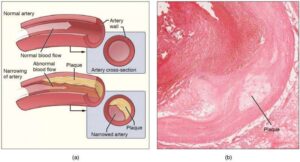
Cancer drug tames atherosclerosis inflammation and plaque in animal models
Atherosclerosis predominantly affects regions of the arteries that bend or branch, creating disturbances in blood flow dynamics that activate cells’ inflammatory pathways and eventually lead to plaque buildup.

CRISPR gene-editing therapy safely and continuously lowers cholesterol and triglycerides, first-in-human trial shows
A Cleveland Clinic first-in-human clinical trial has shown that a one-time infusion of a gene-editing therapy using CRISPR-Cas9 was effective and safe in reducing LDL (“bad”) cholesterol and triglycerides in people with medication-resistant lipid disorders through one year of follow-up across all doses.
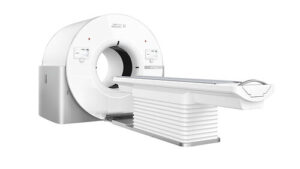
United Imaging secures CE mark for world’s first dual wide-coverage CT family
ROTTERDAM, Netherlands, Sept. 3, 2026 /PRNewswire/ — United Imaging has received CE Mark certification for the uCT SiriuX and uCT SiriuX Ultrix, the world’s first dual wide-coverage computed tomography (CT) family, clearing the systems for commercial availability across Europe.

HR HealthCare Launches Liv™ Pre-lubricated Intermittent Catheter for Women
YORK, Pa., Sept. 3, 2026 /PRNewswire/ — HR HealthCare today announced the introduction of the Liv™ Pre-lubricated Intermittent Catheter, developed to support women’s bladder management needs. For many women, intermittent self-catheterization is part of daily life alongside work, family, travel, and social commitments. Liv combines protective features with a modern profile and packaging designed to fit into busy lives.

FDA clears Heartvue’s cardiac image evaluation software
Heartvue.Proton is designed to streamline cardiovascular MRI evaluation.