
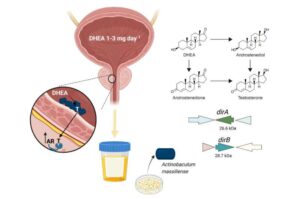
Bacteria that can make testosterone: What could that mean for prostate cancer?
Many prostate cancers depend on androgen hormones, including testosterone, to grow. That is why treatments for advanced disease often try to reduce testosterone production or block its effects. Now, scientists have identified an unexpected participant in androgen chemistry: a bacterium from the human urinary tract that can convert the steroid precursor DHEA into testosterone under laboratory conditions.

A single IV treatment retrains immune cells to fight autoimmune diseases in early trial
CAR T-cell therapy is an immune-reprogramming procedure that turns a patient’s own immune cells into cancer-fighting specialists. The entire process is complex, but researchers have now found a faster way to achieve similar effects using a single intravenous (IV) drip of a harmless engineered virus.
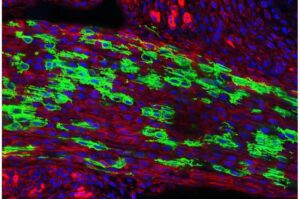
Newly discovered stem cell reveals potential drug target for spinal stenosis
Researchers at Weill Cornell Medicine and Hospital for Special Surgery have discovered the unspecialized stem cells that give rise to the body’s tendons and ligaments, the tissues connecting muscles and bones.

Disabling a gene brake in pancreatic cells unlocks insulin-producing potential
Researchers from Harvard Medical School found that they can tweak a gene and turn a patient’s own pancreatic cells into insulin-producing cells.
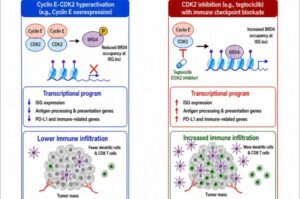
Targeting cell division protein CDK2 could boost immunotherapy response across a wide range of cancers
New research from Dana-Farber Cancer Institute scientists suggests that cyclin-dependent kinase 2 (CDK2) inhibitors, which are currently being tested as treatments that slow the growth of a narrow range of cancers, could potentially be more broadly applicable to a wide range of cancers when combined with immunotherapy.
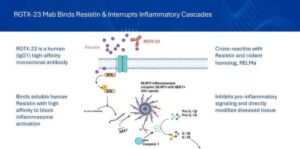
Study identifies key driver of inflammation, opening door to potential new treatments
Researchers at Johns Hopkins Medicine have uncovered a critical biological mechanism that helps explain how inflammation is triggered and sustained in a wide range of diseases—highlighting a promising avenue for future therapeutic development.

HoneyNaps Develops Next-Generation Wireless PSG system Using Four Skin Patches
BOSTON, Sept. 4, 2026 /PRNewswire/ — HoneyNaps, specializing in AI-powered sleep medical devices, has developed a next-generation wireless polysomnography system that combines patch-based skin sensors with artificial intelligence-driven analysis.

Withings Introduces StethO Sense, Bringing Heart and Lung Sound Analysis to BeamO
StethO Sense, a new Withings+ service powered by eMurmur® and StethoMe, brings on-demand AI-powered heart sound analysis and breathing pattern insights to BeamO users, allowing families to track changes in heart sounds and breathing patterns early from home.