
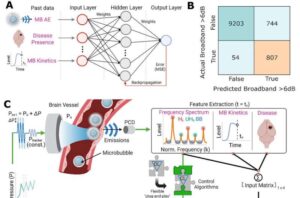
AI-guided ultrasound improves blood–brain barrier opening procedures by predicting bubble collapse
A study led by Georgia Institute of Technology’s Associate Professor Costas Arvanitis takes a major step toward safer and more effective treatment and diagnosis of brain diseases. His team’s research, published in Advanced Science, shows how combining artificial intelligence (AI) with focused ultrasound can safely deliver therapies and improve diagnostic interventions to the brain.

An intranasal flu vaccine approved two decades ago may have underappreciated immune benefits
Now, scientists at the La Jolla Institute for Immunology in California report that a live-attenuated flu vaccine administered as a nasal spray may establish a durable local immune memory in the respiratory tract, potentially strengthening defenses where the infection starts.
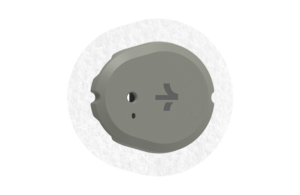
FDA clears Dexcom Stelo over-the-counter CGM for children
Dexcom (Nadsaq:DXCM) has received FDA clearance for its Stelo over-the-counter (OTC) continuous glucose monitor (CGM) for children.

SurGenTec gets FDA nod for lumbar facet fixation system
SurGenTec announced today that the FDA cleared its ION-L lumbar facet fixation system for degenerative disc disease (DDD).

Light switch wakes lung cancer cells up from a protective dormant state
Tumor cells can lapse into a sleep-like state and thereby evade the destructive effect of cancer drugs. In some types of the disease, such as certain forms of lung cancer, this state is triggered by stress hormones in the body. Inside the cancer cells, glucocorticoid receptors recognize the hormones, and the cells respond by lapsing into a state in which they undergo barely any division. This renders many treatments ineffective.
Scientists are attempting to switch off these receptors with a view to waking the cancer cells up from sleep—making them vulnerable to attack.
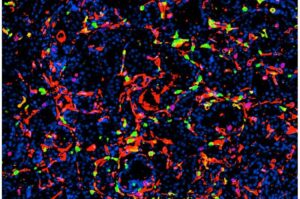
Experimental treatment directly kills prostate tumor cells while reawakening antitumor immunity
Prostate-targeted, engineered nanoparticles made of amorphous silica are effective in killing prostate tumors directly while enhancing antitumor immunity, according to a preclinical study led by investigators at Weill Cornell Medicine and the Cornell Duffield College of Engineering.

Blueberry-size capsule tracks core temperature from inside the body
In a hospital or at home, temperatures are usually taken using an oral or forehead thermometer, but these do not always accurately reflect core body temperature. Measuring core temperature from within the body could make it easier to determine whether someone is sick and whether they’re at risk of spiking a dangerous fever.
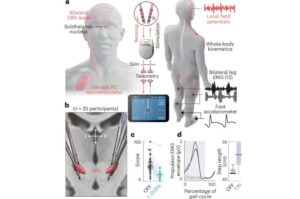
AI-assisted, real-time deep-brain stimulation therapy for walking impairments in Parkinson’s disease
Deep brain stimulation (DBS) has been used for more than three decades to treat motor symptoms of Parkinson’s disease. Today, more than 200,000 patients worldwide have been implanted with these systems, which continuously deliver electrical stimulation to specific deep-brain regions to reduce rigidity and tremor. Yet despite its clinical success, conventional deep brain stimulation remains limited in its ability to address one of the disease’s most disabling symptoms: walking impairments.