
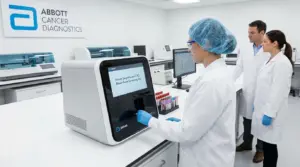
Abbott launches SimpleScreen™ CRC blood test, joining Cologuard Plus® in its colorectal cancer screening portfolio
ABBOTT PARK, Ill., Sept. 30, 2026 /PRNewswire/ — Abbott (NYSE: ABT) today announced the U.S. commercial launch of SimpleScreen™ CRC, an FDA-approved blood-based colorectal cancer (CRC) screening test for adults age 45 and older who are at average risk for the disease.

FDA ACCEPTS NEW DRUG APPLICATION FOR CELECOR’S INVESTIGATIONAL HEART-ATTACK DRUG
Agency assigns zalunfiban (DisaggproTM) a PDUFA target action date of June 18, 2027

Healthcare Triangle, Inc Signs MOU to Bring AI-Enabled Humanoid Nursing Robots to Hospitals in North America
HCTI signs MOU which details planned North American Joint Venture.The Proposed venture would deploy humanoid robots to assist with patient toileting and hygiene care, easing the physical burden on nursing teams while preserving patient dignity
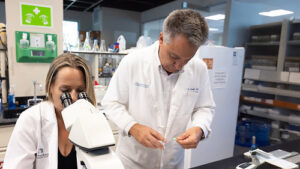
FIRST-IN-HUMAN STUDY DEMONSTRATES Qi601 CAN PHYSICALLY CAPTURE MICROPLASTICS
SARASOTA, Fla., Sept. 30, 2026 /PRNewswire/ — Micro- and nanoplastics are now found throughout the environment – in the air we breathe, the water we drink and the food we eat – and have been detected in multiple tissues within the human body.

Lung cancers can use two different mechanisms to evade KRAS-inhibiting drugs
Some tumor cells develop resistance by amplifying the KRAS gene, while others change their tumor type, MIT researchers have found.
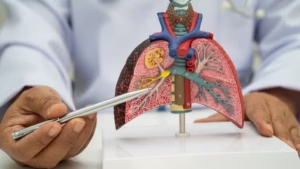
FDA clears Cepheid’s multiplex respiratory panel test
The panel is designed to identify 13 common bacterial and viral respiratory pathogens from one nasopharyngeal swab.
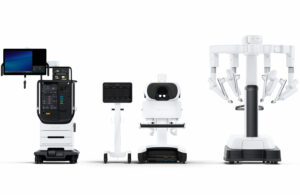
Intuitive receives CE mark for da Vinci 5 cardiac procedures
Intuitive (NASDAQ: ISRG) continues to get back to its roots, claiming a European approval for its da Vinci 5 system in minimally invasive cardiac procedures.
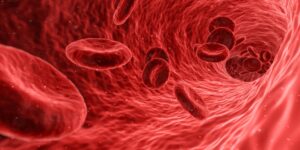
A blood-based approach could enable personalized immunotherapy without the need for a tumor biopsy
In a study published in Cancer Discovery, cancer neoantigens and neoantigen-specific T cells were identified from patient blood samples by analyzing circulating tumor DNA (ctDNA) and immune cells.