
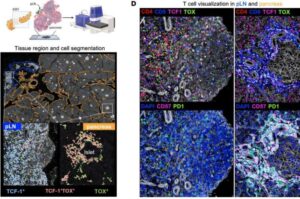
Immune cells that may help sustain type 1 diabetes attack identified
Type 1 diabetes isn’t an overnight attack against the body’s ability to make insulin. It can be a sustained campaign over years that relentlessly targets insulin-producing cells in the pancreas. Scientists have not fully understood why this autoimmune attack—when the body’s immune system mistakenly destroys its own healthy cells—persists so long rather than petering out.

‘Plug-and-play’ CAR T technology adapts as cancer changes
Researchers from City of Hope have developed a new “plug-and-play” technology that adds engineered molecules to chimeric antigen receptor (CAR) T cells after treatment, allowing scientists to better control the cells and redirect them to attack different types of cancer. Published in Cancer Immunology Research, the preclinical study offers a more flexible way to help CAR T cells keep pace with mutating tumors.

Engineered ‘triple-threat’ immune cells could fight plaque buildup that causes heart attacks and strokes
A UCLA research team has engineered a new type of immune cell that attacks atherosclerotic plaques—the fatty buildup inside artery walls that drives most heart attacks and strokes. These engineered cells work by recognizing three harmful cell types within plaques. The paper is published in the journal Circulation Research.
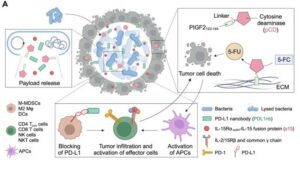
Engineered probiotic bacteria produce cancer drugs inside tumors
E. coli in uncooked meat can cause diarrhea and food poisoning. Scientists, however, have found a way to turn the bacterium into a delivery agent that takes drugs straight to a tumor and transforms it into a tiny cancer drug dispensary.

PATHFINDER 2 findings advance multi-cancer early detection blood testing
A single blood draw that screens for more than 50 cancers substantially increased cancer detection when added to standard screening, identifying cancers that otherwise might have gone undetected until later stages, according to a new study from the Oregon Health & Science University Knight Cancer Institute.

SystImmune Receives FDA Clearance of IND Application for Bispecific Antibody SI-B037
Clearance marks SystImmune’s first IND enabled by pioneering New Approach Methodologies (NAMs), underscoring global innovation and translational leadership
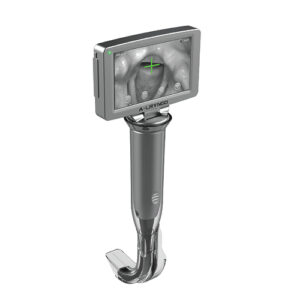
AIMD Expands A-LRYNGO, the World’s First AI-Guided Video Laryngoscope, to Global Markets
SEOUL, South Korea, Sept. 22, 2026 /PRNewswire/ — AIMD Inc., a Korean medical technology company specializing in AI-powered emergency care, announced the global expansion of A-LRYNGO™, the world’s first AI-guided video laryngoscope with real-time automatic glottis recognition, as the company advances AI-guided airway management into clinical practice worldwide.

Mira Launches Cortisol Pattern™ Kit To Redefine Stress Tracking in Women’s Health
The first at-home urine test built to track stress patterns over time using a biological signal instead of a wearable estimate