
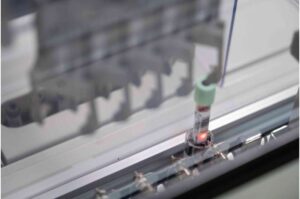
Blood test shows promise for detecting pancreatic cancer at its earliest stages
Researchers at City of Hope, one of the largest and most advanced cancer research and treatment organizations in the country, led the development of a new investigational blood test that could detect pancreatic cancer at its earliest stages, when the disease is more treatable and potentially curable.
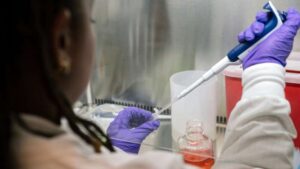
How a single viral protein hijacks immune cells to supercharge COVID-19 infection
In the sickest COVID-19 patients, SARS-CoV-2 doesn’t just cause severe damage by directly infecting airway cells. The virus can also trigger hyperinflammation—a cycle in which immune cells themselves become infected, stop fighting the virus and instead trigger high levels of inflammation throughout the lungs.

RNA therapy may help preserve muscle during GLP-1 weight loss
In mice, adding the therapy to semaglutide led to greater loss of weight and fat while preserving more lean mass

A single protein may help aggressive breast cancer spread to the brain and evade immune defenses
Researchers at Wake Forest University School of Medicine have identified a protein that may help an aggressive form of breast cancer spread to the brain and escape the body’s immune defenses.

Gene that drives blood cancer drug resistance uncovered with new CRISPR activation tool
Researchers have uncovered a previously unknown gene that causes resistance to a leading blood cancer drug, as well as several genes that accelerate lymphoma growth, using a powerful new CRISPR activation library.

Tiny tactile sensor could help distinguish tissues during minimally invasive surgery
Minimally invasive surgery is a promising approach that allows doctors to intervene inside the body through small incisions, typically using advanced instruments. These can include small robotic instruments controlled by a surgeon, cameras or devices that measure specific signals.
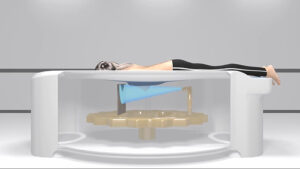
Koning Health Announces Australian Regulatory Approval for Koning Breast CT System
NORCROSS, Ga., Sept. 18, 2026 /PRNewswire/ — Koning Health, a global leader in advanced breast imaging technology, today announced that the Koning Breast CT System has been successfully included in the Australian Register of Therapeutic Goods (ARTG), marking an important regulatory milestone for the company’s expansion into the Australian market.

DeepHealth Receives FDA Clearance for Foundation Model-Based Chest X-Ray AI Solution
DeepHealth has announced FDA 510(k) clearance for Chest XRay, one of the first FDA-cleared chest X-ray computer-aided detection (CADe) solutions built on a foundation model that detects and localizes suspected thoracic abnormalities on chest radiographs. The clearance marks a significant step in the company’s vision of bringing intelligence into every stage of the imaging experience.