
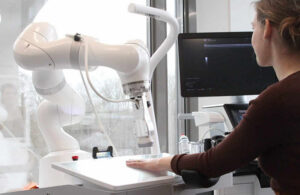
Ropca wins FDA clearance for ultrasound automation systems
Danish medtech company Ropca will bring its autonomous musculoskeletal ultrasound system to the U.S. after receiving FDA 510(k) clearance
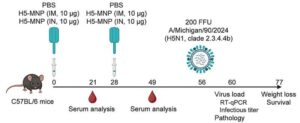
Nasal spray vaccine protects against bird flu in mice
WashU Medicine researchers led by Jacco Boon, a professor in the John T. Milliken Department of Medicine, report that an experimental bird flu vaccine provides strong immune protection in mice, including in animals previously vaccinated against seasonal flu. Because pre-existing immunity from prior seasonal influenza infection or vaccination could diminish the efficacy of H5N1 vaccines, showing that the new vaccine succeeds alongside existing immunity is a crucial milestone.
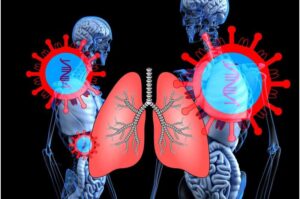
Cancer’s protective shield: Blocking a signaling pathway could make small cell lung tumors visible to T cells
An international research team led by Dr. Lucia Torres Fernández from the working groups of Professor Dr. Julie George and Professor Dr. Roman Thomas at the University of Cologne has identified a critical dependency in small cell lung cancer (SCLC) that can be exploited therapeutically.
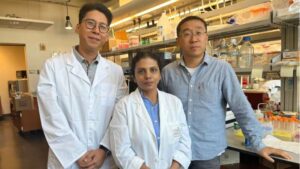
Targeted antibody treatment reverses diabetic nerve damage in mouse models
A team of UTHealth Houston researchers slowed and even reversed diabetic nerve damage in mice, bringing researchers one step closer to developing a treatment for humans. The research is published in Science Translational Medicine.
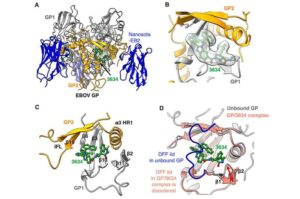
Highly potent compound that blocks Ebola virus entry discovered
A University of Minnesota–led multi-institutional research team has discovered a highly potent small molecule that blocks Ebola virus entry by stabilizing the virus’s entry protein and provides strong protection when given orally in a preclinical model.
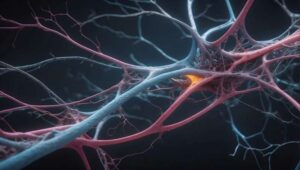
Nasal spray protects neurons and memory in Alzheimer’s mouse model
A nasal spray containing vesicles naturally released by cells may work against Alzheimer’s. This is the promise of a study conducted by researchers at the Università Cattolica, Fondazione Policlinico Universitario A. Gemelli IRCCS, and the E. Menni Research Center of Fondazione Poliambulanza.
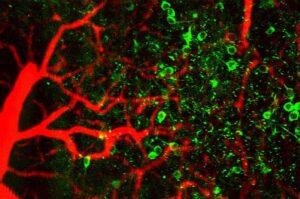
New imaging combines light and sound to watch brain oxygen supply in real time
The brain is a black box of densely packed neurons, blood vessels and immune cells, all locked away in a sealed skull. WashU’s Song Hu has dedicated his career to unlocking that puzzle box by developing new ways to “see” inside. His team’s newest innovation could give researchers a new view of how brain cells and blood vessels work together and what happens when the coupling between the two breaks down.
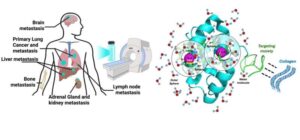
Protein-based MRI agent detects lung cancer and hidden metastases earlier than current scans
A multi-institutional research team led by Georgia State University Regents’ Professor Emerita of Biochemistry and Biophysical Chemistry Jenny J. Yang has developed a new class of protein-based MRI contrast agents that detect invasive lung cancer and metastatic disease at earlier stages than conventional imaging approaches.