

New ‘smart’ nanoparticles help the immune system better attack tumors
Adelaide University researchers have developed a new way to use mRNA technology to reprogram tumor-supporting immune cells and strengthen the body’s anticancer immune response.
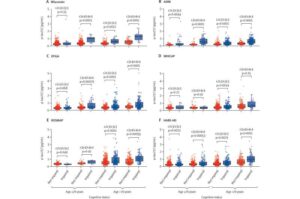
Blood and gene tests predict Alzheimer’s symptoms three to six years ahead
Columbia University researchers have identified a way to help predict when people at high risk of developing Alzheimer’s are likely to develop their first symptoms, a finding that could help physicians decide when to prescribe preventive treatments currently in development.
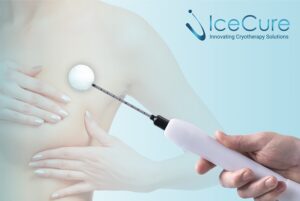
IceCure Medical Receives Regulatory Approval to Market ProSense® in China
IceCure Medical Ltd. announced that it has received approval, as a Class III medical device, from China’s National Medical Products Administration (“NMPA”) for its ProSense® system and associated cryoprobes.
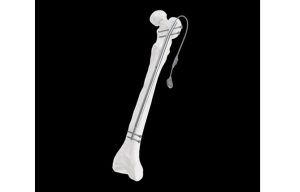
Shoulder Innovations Receives FDA 510(k) Clearance for N-22 Humeral Head and Initiates Full Commercial Launch
GRAND RAPIDS, Mich., Sept. 10, 2026 /PRNewswire/ — Shoulder Innovations, Inc. (“Shoulder Innovations”, or “the company”) (NYSE: SI), a commercial-stage medical technology company exclusively focused on transforming the shoulder surgical care market, today announced it has received U.S. Food and Drug Administration (FDA) 510(k) clearance for the N-22 Humeral Head, a titanium implant option for patients with metal hypersensitivity. Alongside the clearance, the company also announced the product’s full commercial launch.
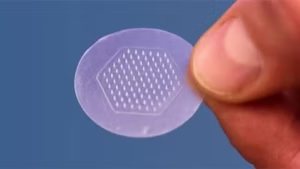
Moving the Needle on Medication Delivery
Drawing on research pioneered at Tufts, Anodyne Nanotech is creating patches that could change the future of medicine
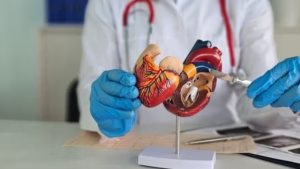
FDA grants 510(k) clearance to Emboliner system for TAVR procedures
The FDA’s decision follows a clinical assessment of the Emboliner, including the PROTECT H2H IDE study.
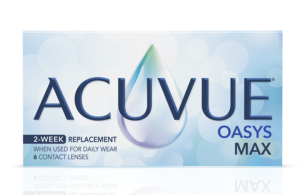
Johnson & Johnson wins CE mark for new reusable contact lens
Johnson & Johnson MedTech (NYSE: JNJ) announced today that it has received a CE mark for its Acuvue Oasys Max 2-Week, a new reusable contact lens.

Biodegradable drug-delivery nanoparticles curb brain plaque proteins and improve memory in Alzheimer’s mice
A family of nanoparticles—tiny, biodegradable molecules commonly used to deliver drugs to patients—shows promise in treating Alzheimer’s disease without additional medication, according to new research from a University of Alberta neuroscientist.